Understanding Wallet Fingerprinting: A Critical Threat to Bitcoin Privacy in the Tumbler Niche
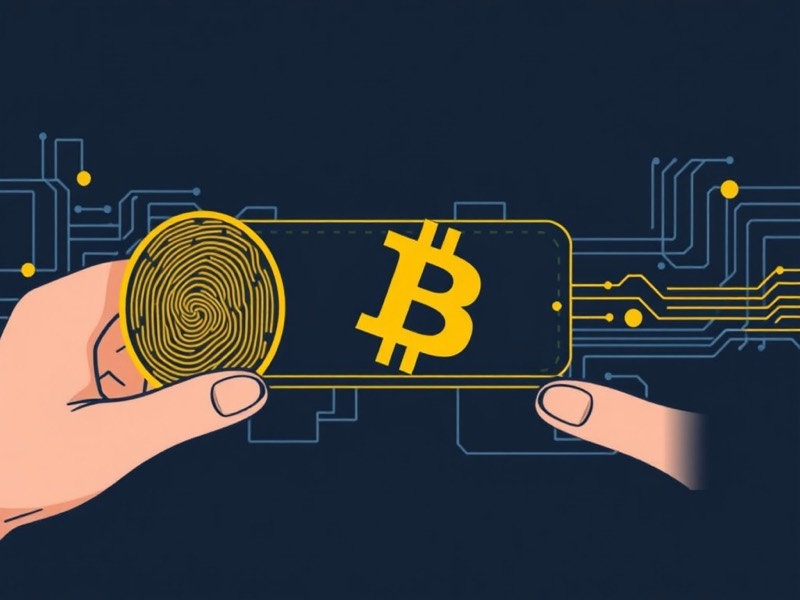
In the rapidly evolving landscape of cryptocurrency, privacy remains a cornerstone for users seeking to protect their financial activities. However, the rise of wallet fingerprinting has introduced new challenges, particularly within the Tumbler niche. This technique, which involves tracking users through unique patterns in their wallet addresses, poses significant risks to anonymity. For those relying on Bitcoin mixers to obscure transaction trails, understanding wallet fingerprinting is essential. This article explores the mechanics, implications, and countermeasures related to this phenomenon, offering insights tailored to the Tumbler community.
What Is Wallet Fingerprinting?
Definition and Core Concepts
Wallet fingerprinting refers to the process of identifying a user’s wallet based on specific characteristics of their transaction history or address patterns. Unlike traditional tracking methods that rely on direct links, wallet fingerprinting analyzes subtle details such as transaction timing, amount sizes, or even the sequence of addresses used. These patterns act as a "fingerprint," allowing entities to associate multiple transactions with a single user or entity. In the context of Tumbler, this could mean that even after using a mixer to anonymize funds, a user’s wallet might still be identifiable through these unique traits.
How Wallet Fingerprinting Works
The process of wallet fingerprinting typically involves collecting data from a user’s transactions. For instance, if a user consistently sends small amounts to a specific address or uses a particular wallet service, this behavior can be cross-referenced with other data points. Advanced algorithms or manual analysis might then link these transactions to a single source. In the Tumbler niche, where users often mix Bitcoin to hide their origins, such patterns could reveal that a mixer is being used by a particular individual or group. This undermines the core purpose of mixing services, which is to enhance privacy.
Common Methods of Wallet Fingerprinting
- Transaction Timing Analysis: Observing when transactions occur can reveal patterns, such as regular transfers at specific intervals.
- Amount Consistency: Repeatedly sending the same amount of Bitcoin to different addresses may indicate a single user.
- Address Reuse: Using the same wallet address across multiple transactions, even after mixing, can leave identifiable traces.
- Network Behavior: Analyzing how a wallet interacts with the Bitcoin network, such as the number of confirmations or the use of specific nodes.
The Impact of Wallet Fingerprinting on Bitcoin Users
Privacy Risks in the Tumbler Niche
For users of Tumbler services, wallet fingerprinting represents a direct threat to their privacy. While mixers are designed to break the link between the sender and receiver, fingerprinting can bypass these protections. If a user’s wallet is fingerprinted, their original funds could be traced back to them, even after mixing. This is particularly concerning for individuals or organizations that rely on Bitcoin for sensitive transactions, such as political donations or business operations. The Tumbler niche, which often caters to users seeking maximum anonymity, must address this vulnerability to maintain trust.
Consequences for Tumbler Users
The consequences of wallet fingerprinting for Tumbler users can be severe. In the worst-case scenario, a user’s funds could be seized by authorities or malicious actors if their wallet is linked to illegal activities. Additionally, repeated fingerprinting attempts might lead to account bans or the deactivation of mixing services. For example, if a mixer detects that a user’s wallet is being fingerprinted, it might refuse to process further transactions, leaving the user without a viable way to anonymize their funds. This creates a paradox where the very tools designed to protect privacy can become liabilities.
Real-World Examples
- Case Study 1: A user who frequently sends small amounts of Bitcoin to a mixer might be identified through consistent transaction patterns, even after mixing. This could lead to their original address being exposed.
- Case Study 2: A mixer service that fails to implement anti-fingerprinting measures might attract users who are later targeted by law enforcement, resulting in the deactivation of the service.
Wallet Fingerprinting in the Context of Tumbler Services
How Mixers Are Vulnerable to Fingerprinting
Bitcoin mixers, or tumblers, are inherently designed to obscure transaction trails. However, they are not immune to wallet fingerprinting. If a mixer processes transactions from a single user repeatedly, the mixer itself could become a target for fingerprinting. For instance, if a user consistently sends funds through the same mixer, the mixer’s transaction history might reveal patterns that link back to the user. This is particularly problematic for Tumbler services, which may process a high volume of transactions from a limited user base, increasing the likelihood of identifiable patterns.
Mitigation Strategies for Tumbler Users
To combat wallet fingerprinting, Tumbler users must adopt proactive measures. One approach is to use multiple wallets for different transactions, ensuring that no single wallet is overused. Additionally, users can vary the amount and timing of their transactions to avoid creating consistent patterns. Some mixers also offer features like "coin joining," where multiple users pool their funds together, making it harder to trace individual contributions. However, even these strategies require careful implementation to avoid inadvertently creating new fingerprints.
The Role of Mixer Developers
Mixer developers play a critical role in addressing wallet fingerprinting. They can implement technical safeguards such as randomizing transaction amounts, using unique address generation algorithms, or integrating anti-fingerprinting protocols. For example, a mixer might generate a new address for each transaction, ensuring that no single address is reused. In the Tumbler niche, where user privacy is paramount, such innovations are not just beneficial—they are essential. However, these measures must be balanced with usability, as overly complex processes could deter users from adopting the service.
Protecting Against Wallet Fingerprinting
Best Practices for Tumbler Users
Users of Tumbler services can take several steps to minimize the risk of wallet fingerprinting. First, they should avoid reusing the same wallet address for multiple transactions. Instead, they can generate new addresses for each mix. Second, they should vary the size and timing of their transactions. For example, sending different amounts at irregular intervals can disrupt pattern recognition. Third, users should consider using mixers that offer advanced privacy features, such as those that support coin joining or multi-hop mixing. These techniques make it significantly harder for adversaries to link transactions back to a single source.
Tools and Techniques to Enhance Privacy
- Privacy-Focused Wallets: Using wallets that prioritize anonymity, such as those with built-in address rotation or stealth addresses, can reduce fingerprinting risks.
- Tor Network Integration: Routing transactions through the Tor network adds an extra layer of obfuscation, making it harder to trace the origin of funds.
- Multi-Signature Wallets: These require multiple approvals for transactions, complicating the process of linking funds to a single user.
- Regular Wallet Audits: Periodically reviewing transaction history for unusual patterns can help users detect potential fingerprinting attempts early.
Educating Users on Wallet Fingerprinting
Education is a powerful tool in the fight against wallet fingerprinting. Many users in the Tumbler niche may not fully understand how their actions can compromise privacy. By providing clear guidance on best practices, mixers and community forums can empower users to make informed decisions. For instance, tutorials on how to use multiple wallets or avoid address reuse can significantly reduce the likelihood of fingerprinting. Additionally, raising awareness about the limitations of mixing services can help users set realistic expectations about their privacy levels.
The Future of Wallet Fingerprinting and Tumbler
Evolving Techniques and Countermeasures
As wallet fingerprinting techniques become more sophisticated, the Tumbler niche must adapt. Future developments might include the use of machine learning algorithms to detect and prevent fingerprinting in real time. On the other hand, adversaries could leverage advanced data analysis to bypass existing protections. This arms race necessitates continuous innovation from both users and mixer developers. For example, the integration of zero-knowledge proofs or other cryptographic methods could offer new ways to anonymize transactions without relying on traditional mixing techniques.
Regulatory and Ethical Considerations
The rise of wallet fingerprinting also raises regulatory and ethical questions. Governments and financial institutions may push for stricter regulations to combat money laundering and other illicit activities. However, such measures could inadvertently harm legitimate users who rely on Bitcoin for privacy. In the Tumbler niche, finding a balance between compliance and user privacy will be crucial. Mixers may need to implement transparent reporting mechanisms while still safeguarding user data. This delicate balance will shape the future of Bitcoin mixing services and their ability to resist fingerprinting.
Conclusion: Staying Ahead of the Curve
Wallet fingerprinting is a persistent threat in the Bitcoin ecosystem, and its impact on Tumbler services cannot be ignored. While no solution is foolproof, a combination of user education, technical safeguards, and ongoing innovation can mitigate the risks. As the digital landscape continues to evolve, staying informed and proactive will be key for users and providers alike. By understanding the nuances of wallet fingerprinting, the Tumbler community can better protect its privacy and maintain the integrity of Bitcoin as a decentralized financial tool.
James Richardson, Senior Crypto Market Analyst
Understanding Wallet Fingerprinting: A Critical Tool in Modern Crypto Security
As a Senior Crypto Market Analyst with over 12 years of experience in digital asset analysis and blockchain market research, I’ve observed how wallet fingerprinting has evolved from a niche technical concept to a cornerstone of crypto security and risk management. Wallet fingerprinting refers to the process of identifying unique patterns or characteristics associated with a cryptocurrency wallet, such as transaction behavior, timing, or even hardware-specific identifiers. This technique is increasingly vital for institutions and platforms aiming to mitigate fraud, enhance Know Your Customer (KYC) protocols, and monitor illicit activities. From my perspective, its practical application lies in its ability to link wallets to specific users or entities without requiring direct personal data, offering a balance between privacy and security. However, its effectiveness depends on robust data analytics and ethical implementation to avoid overreach or false positives.
In practice, wallet fingerprinting can be a game-changer for DeFi platforms and institutional investors. For instance, by analyzing transaction patterns, platforms can detect anomalies that might indicate wash trading, rug pulls, or other malicious activities. This aligns with my focus on DeFi risk assessment, where proactive monitoring is essential. Additionally, wallet fingerprinting aids in regulatory compliance by helping exchanges track high-risk wallets or flag suspicious behavior. A practical insight here is that while the technology is powerful, its success hinges on continuous refinement. Wallet addresses can change, and adversaries may adapt their methods, requiring adaptive algorithms and cross-chain analysis. Institutions must also navigate privacy concerns, ensuring that fingerprinting does not inadvertently compromise user anonymity—a delicate balance in a space where trust is paramount.
Looking ahead, wallet fingerprinting will likely become even more sophisticated as blockchain technology advances. Innovations like zero-knowledge proofs or on-chain identity solutions could enhance its precision while preserving user privacy. From my experience, the key challenge remains scalability—applying fingerprinting across vast, decentralized networks without compromising speed or accuracy. For crypto market participants, understanding and leveraging wallet fingerprinting is no longer optional; it’s a strategic necessity. As institutional adoption grows, this tool will play a pivotal role in shaping a more secure and transparent crypto ecosystem. My advice to stakeholders is to invest in both the technology and the expertise to interpret its outputs effectively, ensuring it aligns with broader risk management frameworks."
—
Disclaimer: This article is not intended to provide financial advice or promote the use of Bitcoin and other cryptocurrencies. Its main purpose is to inform, explain, and educate. Readers must make their own decisions regarding the use of such services.