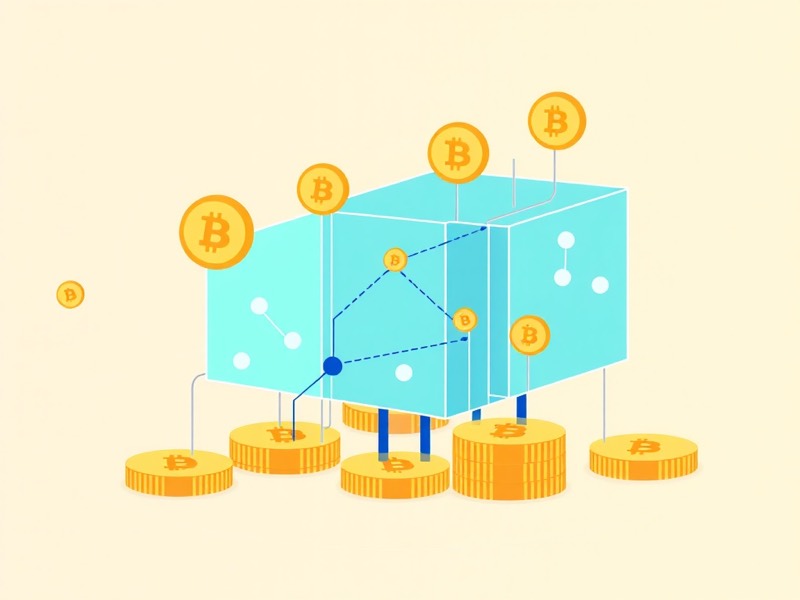
Understanding Timing Correlation Attacks in Tumbler: A Comprehensive Guide
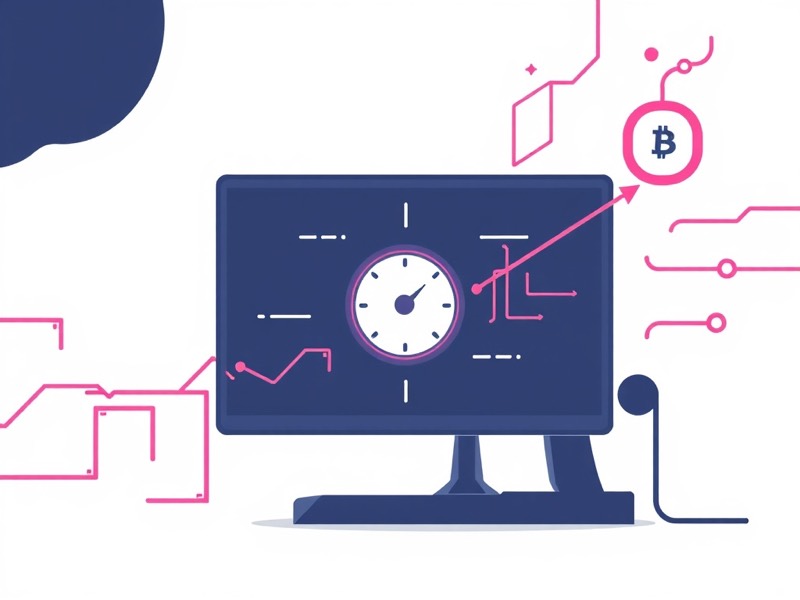
What Is a Timing Correlation Attack?
A timing correlation attack is a sophisticated form of cyberattack that exploits the time it takes for a system to respond to specific inputs or processes. In the context of cryptocurrency, particularly within platforms like Tumbler, these attacks can reveal sensitive information by analyzing the timing of transactions or interactions. Unlike traditional attacks that focus on cryptographic weaknesses, timing correlation attacks leverage the inherent variability in system response times to infer data that would otherwise be hidden.
The Mechanics of Timing Correlation Attacks
At its core, a timing correlation attack relies on the principle that even minor differences in processing time can be measured and correlated with specific actions. For example, if an attacker can observe how long it takes for Tumbler to process a transaction, they might deduce patterns about the transaction’s origin or destination. This is possible because systems often have predictable delays based on factors like network latency, server load, or even the complexity of the transaction itself.
- Data Collection: Attackers gather timing data from multiple transactions or interactions with Tumbler.
- Pattern Recognition: They analyze this data to identify correlations between timing and specific events, such as the use of certain coins or addresses.
- Inference: By matching timing patterns to known data, attackers can potentially uncover private information, such as the amount of Bitcoin being mixed or the identity of the user.
Why Tumbler Is a Target for Timing Correlation Attacks
Tumbler, as a Bitcoin mixer, is designed to obscure the traceability of transactions by mixing users’ funds with others. However, this very functionality can create vulnerabilities. If an attacker can measure the time it takes for Tumbler to process a transaction, they might exploit timing differences to correlate transactions and de-anonymize users. This is particularly concerning because Tumbler’s primary purpose is to protect user privacy, making it a prime target for such attacks.
How Timing Correlation Attacks Work in Tumbler
To understand how a timing correlation attack operates within Tumbler, it’s essential to examine the platform’s architecture and the specific points where timing data can be exploited. Tumbler processes transactions by combining them with others, which introduces variability in processing times. Attackers can leverage this variability to their advantage.
The Role of Timing in Tumbler Transactions
Every transaction on Tumbler involves a series of steps, including input validation, mixing, and output generation. Each of these steps can take a different amount of time depending on factors like the number of coins involved, the complexity of the mixing algorithm, or even the current state of the network. Attackers can monitor these timing variations to build a dataset that they later analyze for patterns.
Factors Influencing Timing in Tumbler
- Transaction Size: Larger transactions may take longer to process due to increased computational demands.
- Network Congestion: High traffic on the Bitcoin network can delay transaction processing times.
- Algorithmic Complexity: Tumbler’s mixing algorithm may introduce delays based on the number of coins being mixed.
Exploiting Timing Data in Tumbler
Once attackers have collected sufficient timing data, they can use statistical methods to identify correlations. For instance, if a particular transaction consistently takes longer to process, it might indicate that the transaction involves a specific type of coin or address. By comparing this data with known information (such as public blockchain records), attackers can narrow down the possibilities and potentially de-anonymize users.
Techniques Used in Timing Correlation Attacks
- Passive Monitoring: Attackers observe timing data without interacting with Tumbler directly.
- Active Probing: They send specific transactions to Tumbler and measure the response times.
- Machine Learning: Advanced algorithms can analyze large datasets to detect subtle timing patterns that humans might miss.
Detecting Timing Correlation Attacks in Tumbler
Detecting a timing correlation attack is challenging because these attacks often operate subtly, without obvious signs of intrusion. However, there are methods and tools that can help identify potential threats. Early detection is critical to mitigating the damage caused by such attacks.
Signs of a Timing Correlation Attack
While timing correlation attacks are not always detectable through conventional security measures, certain anomalies may indicate their presence. For example, unusual fluctuations in transaction processing times or repeated patterns in timing data could signal an attack. Additionally, if multiple users report similar issues with Tumbler, it might suggest a coordinated effort to exploit timing vulnerabilities.
Tools for Detection
- Timing Analysis Software: Specialized tools can monitor and analyze transaction times for irregularities.
- Intrusion Detection Systems (IDS): These systems can flag unusual activity that might be linked to timing attacks.
- Blockchain Analytics: By cross-referencing timing data with blockchain records, analysts can identify suspicious correlations.
Preventive Measures for Tumbler
To protect against timing correlation attacks, Tumbler and similar platforms must implement robust countermeasures. These measures should focus on obscuring timing data and making it difficult for attackers to correlate transactions.
Strategies to Mitigate Timing Correlation Attacks
- Add Noise to Timing Data: Introduce random delays or variability in transaction processing to disrupt patterns.
- Use Cryptographic Timing Resistance: Implement algorithms that are resistant to timing-based analysis.
- Limit Data Exposure: Ensure that only necessary information is transmitted during transactions.
- Regular Security Audits: Conduct frequent audits to identify and patch vulnerabilities.
Preventing Timing Correlation Attacks in Tumbler
Preventing a timing correlation attack requires a multi-layered approach that addresses both the technical and procedural aspects of Tumbler. By combining advanced cryptographic techniques with proactive security practices, Tumbler can significantly reduce the risk of such attacks.
Designing Tumbler for Timing Resistance
One of the most effective ways to prevent timing correlation attacks is to design Tumbler’s architecture to be inherently resistant to timing analysis. This involves ensuring that all components of the platform operate with consistent timing, regardless of the transaction’s characteristics.
Key Design Considerations
- Uniform Processing Times: Ensure that all transactions are processed in a similar amount of time, regardless of size or complexity.
- Randomized Delays: Introduce random delays during transaction processing to mask timing patterns.
- Hardware-Based Solutions: Use specialized hardware to perform mixing operations, which can be more resistant to timing attacks.
User Education and Best Practices
While technical measures are crucial, user education also plays a role in preventing timing correlation attacks. Users should be aware of the risks associated with using mixers and take steps to enhance their privacy. For example, they can avoid reusing addresses or use additional privacy tools alongside Tumbler.
Tips for Users
- Use Unique Addresses: Avoid reusing the same address for multiple transactions.
- Combine with Other Privacy Tools: Use Tumbler in conjunction with other privacy-enhancing technologies.
- Monitor Transaction Activity: Regularly check for unusual patterns in transaction times.
Case Studies and Real-World Implications
While specific instances of timing correlation attacks targeting Tumbler may not be widely publicized, the potential impact of such attacks is significant. Understanding real-world scenarios can help highlight the importance of addressing these vulnerabilities.
A Hypothetical Scenario
Imagine an attacker who monitors Tumbler for a period of time, collecting timing data from thousands of transactions. By analyzing this data, they identify that transactions involving a specific type of coin consistently take longer to process. Using this information, the attacker could correlate these transactions with public blockchain records to trace the original sender’s address. This hypothetical example illustrates how a timing correlation attack could compromise the privacy that Tumbler is designed to protect.
Lessons Learned
- Timing Data Is Valuable: Even small timing variations can be exploited if not properly secured.
David Chen, Digital Assets Strategist
Understanding Timing Correlation Attacks: A Critical Threat in Digital Asset Markets
As a quantitative analyst with a focus on market microstructure and on-chain analytics, I’ve observed that timing correlation attacks represent a nuanced yet potent risk in digital asset ecosystems. These attacks exploit the temporal patterns of transactions or data releases to infer sensitive information or manipulate market behavior. For instance, in cryptocurrency markets, where transaction timestamps are publicly visible, attackers can correlate the timing of trades with external events—such as price movements or news announcements—to deduce private keys, predict trade execution strategies, or even front-run orders. This isn’t just a theoretical concern; in practice, even minor delays or accelerations in transaction times can create exploitable signals. My work in portfolio optimization has shown that timing is often as critical as price data, and when attackers weaponize this, it undermines the efficiency and security assumptions we rely on in digital asset markets.
From a practical standpoint, mitigating timing correlation attacks requires a multi-layered approach. First, institutions and developers must prioritize obfuscation techniques that randomize transaction timing or aggregate data to reduce predictability. Second, advanced analytics tools can detect anomalous timing patterns that deviate from normal market behavior. For example, in on-chain analytics, I’ve seen how clustering transactions by microsecond intervals can reveal coordinated attacks or insider trading strategies. This isn’t just about defending against malicious actors—it’s also about preserving market integrity. In traditional finance, timing discrepancies were often dismissed as noise, but in crypto, where data is more transparent and volatile, these signals can be amplified. Practitioners should treat timing data as a first-order variable in risk models, not an afterthought. The key takeaway is that timing isn’t just a technical detail; it’s a strategic asset that attackers can weaponize if left unchecked.
Looking ahead, timing correlation attacks will likely evolve as markets grow more sophisticated. My experience in digital asset strategy tells me that proactive defense is essential. This means not only improving cryptographic protocols but also fostering collaboration between on-chain data scientists and cybersecurity teams. Regulators also have a role to play—standardizing how timing data is reported and audited could close loopholes. For investors and traders, awareness is critical. Understanding that timing attacks exist means rethinking how we interpret market signals. In my view, the future of digital assets hinges on our ability to balance transparency with resilience. Timing correlation attacks may not be the most obvious threat, but they’re a reminder that in a world of open data, even the smallest details can have outsized consequences.
—
Disclaimer: This article is not intended to provide financial advice or promote the use of Bitcoin and other cryptocurrencies. Its main purpose is to inform, explain, and educate. Readers must make their own decisions regarding the use of such services.