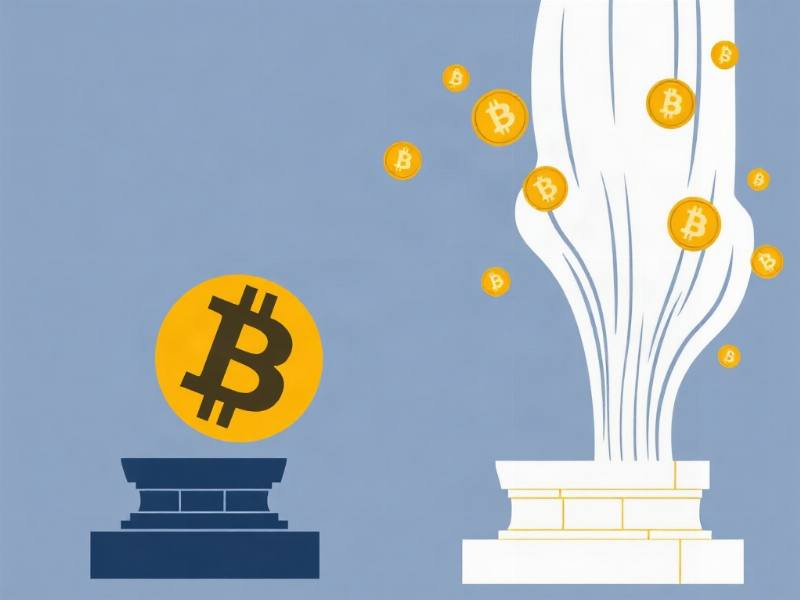
The Binance DOJ Plea Agreement: A Defining Moment for Crypto Regulation and Market Integrity
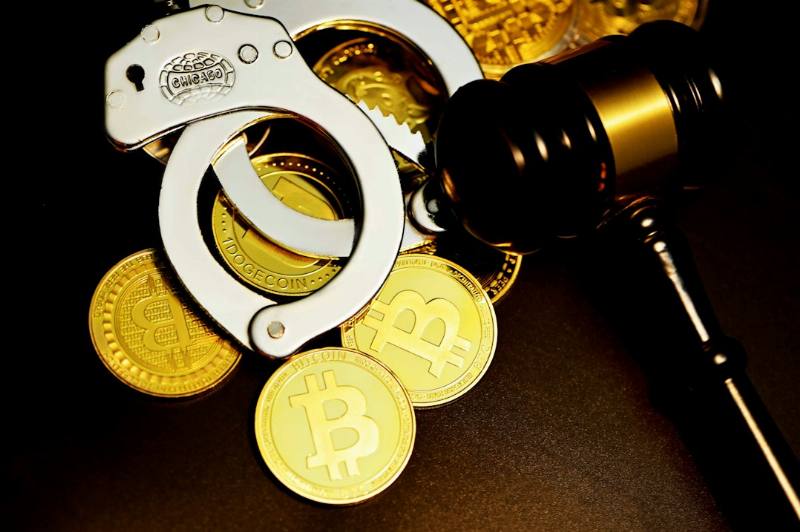
The cryptocurrency industry has witnessed numerous legal milestones, but few have carried the weight and far-reaching implications of the binance DOJ plea agreement. As one of the most significant enforcement actions involving a major global exchange, this agreement has reshaped how regulators, investors, and market participants view compliance, accountability, and the future of digital asset trading. In this comprehensive analysis, we dissect the components of the plea agreement, its operational impact on Binance and the broader ecosystem, and what it signals for the next phase of crypto governance.
The Legal Framework: Breaking Down the Binance DOJ Plea Agreement
At its core, the binance DOJ plea agreement represents a negotiated resolution between the U.S. Department of Justice and Binance, the world's largest cryptocurrency exchange by trading volume. The agreement arose from investigations into alleged violations of anti-money laundering (AML) statutes, sanctions compliance, and reporting obligations. By pleading guilty to these charges, Binance avoided a protracted trial while accepting a framework of oversight and financial penalties designed to deter future misconduct.
Key Terms and Conditions
- Admission of Violations: Binance formally acknowledged failures in its AML program, including insufficient know-your-customer (KYC) protocols and the facilitation of transactions linked to illicit actors.
- Financial Penalties: The exchange agreed to pay billions of dollars in fines, forfeitures, and remedial investments, reflecting the severity of the regulatory breaches.
- Compliance Overhaul: A mandatory, multi-year compliance monitor will oversee Binance’s restructuring of its risk management, sanctions screening, and customer verification systems.
- Geographic Restrictions: Enhanced geo-blocking measures and stricter user onboarding procedures were implemented to prevent access from sanctioned jurisdictions.
These terms underscore the DOJ’s intent to establish a precedent: no exchange, regardless of size or global reach, is above the law. The binance DOJ plea agreement thus serves as a benchmark for future enforcement actions across the crypto sector.
Operational Ripple Effects on the Exchange Industry
The aftermath of the binance DOJ plea agreement has sent shockwaves through the industry, prompting exchanges worldwide to reevaluate their compliance postures. The agreement’s emphasis on transparent operations, rigorous customer due diligence, and real-time monitoring has accelerated a trend toward centralized compliance frameworks within an ecosystem historically characterized by decentralization and pseudonymity.
Compliance Restructuring and Resource Allocation
Following the plea, many exchanges have earmarked significant capital for hiring compliance officers, upgrading transaction monitoring software, and establishing dedicated legal teams focused on regulatory navigation. The cost of non-compliance, as demonstrated by Binance’s penalties, now outweighs the investment required to build robust internal controls.
Impact on Trading Pairs and Liquidity
In the months following the agreement, Binance announced the delisting or suspension of several high-risk trading pairs, particularly those with limited transparency or suspected links to illicit finance. While some traders expressed concern over reduced choice, industry analysts argue that such measures ultimately enhance market integrity and attract institutional capital seeking regulated exposure to digital assets.
Crypto Mixers, Privacy Coins, and the New Regulatory Landscape
One of the most nuanced dimensions of the binance DOJ plea agreement involves its indirect impact on crypto mixers and privacy-focused tokens. The DOJ’s heightened focus on AML compliance has intensified scrutiny of tools designed to obfuscate transaction trails, including tumblers, mixers, and privacy coins like Monero or Zcash. While Binance itself does not endorse or facilitate mixing services, the broader regulatory climate shaped by this agreement has led to more cautious approaches toward assets and protocols that prioritize anonymity over transparency.
Heightened Scrutiny on Mixing Services
Regulators worldwide are increasingly equating the use of sophisticated mixing services with facilitating money laundering or sanctions evasion. The binance DOJ plea agreement has emboldened enforcement agencies to pursue legal avenues against mixer operators, resulting in several high-profile takedowns and sanctions. For users, this means greater risk exposure when engaging with privacy tools, as the line between financial privacy and regulatory violation becomes increasingly blurred.
Shift Toward Regulated Privacy Solutions
In response, a new wave of privacy-preserving technologies is emerging, designed to offer confidentiality while maintaining auditability for compliance purposes. Zero-knowledge proofs, confidential transactions, and selective disclosure frameworks are gaining traction as viable alternatives that align with both user privacy expectations and regulator demands. The binance DOJ plea agreement thus inadvertently catalyzes innovation in compliant privacy infrastructure.
Investor Sentiment and Market Dynamics
The resolution of the binance DOJ plea agreement has had a measurable, though complex, effect on investor confidence. Initial market reactions ranged from short-term volatility to cautious optimism, as the clarity provided by the agreement allowed participants to better assess risk and regulatory exposure.
Short-Term Market Reactions
Following the announcement, Bitcoin and broader crypto indices experienced moderate price fluctuations, reflecting the market’s digestion of the legal and financial implications. Traders closely monitored Binance’s operational adjustments, particularly the implementation of stricter onboarding protocols and the potential impact on trading volumes.
Long-Term Institutional Outlook
For institutional investors, the binance DOJ plea agreement represents a double-edged sword. On one hand, the enforced compliance framework reduces uncertainty and enhances the legitimacy of major exchanges as custodial partners. On the other hand, the associated fines and operational constraints may temporarily dampen profitability and market share. Nevertheless, many analysts view the agreement as a necessary step toward mainstream adoption, as clear regulatory boundaries foster trust among pension funds, endowments, and other large-scale capital allocators.
Strategic Recommendations for Stakeholders
In the wake of the binance DOJ plea agreement, stakeholders across the crypto ecosystem must adopt proactive strategies to navigate the evolving regulatory terrain. Below are key recommendations tailored for exchanges, investors, and developers.
- Prioritize Compliance Infrastructure: Exchanges should invest in automated AML/KYC systems, real-time transaction monitoring, and regular third-party audits to ensure alignment with evolving standards.
- Diversify Risk Exposure: Investors are advised to balance holdings between highly regulated platforms and decentralized protocols, thereby mitigating concentration risk associated with any single exchange’s legal posture.
- Engage with Compliant Privacy Tools: Developers and users seeking privacy should explore zero-knowledge and auditability-focused solutions that satisfy both personal confidentiality goals and regulatory expectations.
- Monitor Regulatory Precedents: Staying informed about subsequent DOJ actions, FinCEN rulemakings, and international cooperative enforcement efforts is essential for anticipating market shifts.
- Foster Transparent Communication: Exchanges that maintain open dialogue with regulators, publish regular compliance reports, and demonstrate tangible improvements in risk management will likely enjoy stronger community trust and sustained market share.
The binance DOJ plea agreement serves as a catalyst for industry-wide transformation. By learning from Binance’s experience, market participants can better position themselves for a future where compliance and innovation coexist rather than conflict.
Future Regulatory Trajectories: What Comes After the Binance DOJ Plea Agreement?
Looking ahead, the implications of the binance DOJ plea agreement extend far beyond the immediate penalties and operational changes at Binance. The agreement has set a precedent that will shape the next wave of crypto legislation, enforcement strategies, and international regulatory cooperation.
Potential Legislative Developments
Congressional bodies and regulatory agencies are reportedly drafting more comprehensive frameworks aimed at clarifying the responsibilities of crypto intermediaries. The binance DOJ plea agreement has provided real-world data points that lawmakers can use to craft statutes balancing innovation with consumer protection and financial integrity.
International Harmonization of Rules
Given Binance’s global user base, the DOJ’s approach has prompted discussions among G20 nations and financial action task forces (FATF) about standardizing cross-border compliance requirements. Such harmonization could reduce regulatory arbitrage, where entities relocate to jurisdictions with laxer enforcement, and foster a more level playing field for compliant operators worldwide.
The Role of Technology in Shaping Compliance
Emerging technologies such as blockchain analytics, AI-driven risk scoring, and decentralized identity solutions are poised to redefine how exchanges meet their regulatory obligations. The binance DOJ plea agreement underscores the necessity of leveraging these tools not merely as afterthoughts, but as foundational elements of exchange architecture from inception.
Conclusion: A New Era of Accountability
The binance DOJ plea agreement marks a pivotal inflection point in the maturation of the cryptocurrency industry. By holding one of the world’s largest exchanges accountable to established financial laws, the DOJ has signaled that the era of regulatory leniency is ending. For exchanges, this means a renewed and rigorous focus on compliance infrastructure. For investors, it offers greater clarity and, potentially, increased confidence in regulated market participation. For the broader ecosystem, the agreement catalyzes innovation in privacy technologies, compliance tools, and international regulatory frameworks.
As the industry continues to evolve, the lessons drawn from the binance DOJ plea agreement will remain integral to shaping strategies, informing policy, and guiding the responsible growth of digital assets. Stakeholders who embrace this shift with diligence and foresight will be best positioned to thrive in a landscape where accountability and innovation are no longer mutually exclusive.
Ultimately, the binance DOJ plea agreement is more than a legal resolution; it is a catalyst for a more transparent, secure, and sustainable future for cryptocurrency. As regulators, industry leaders, and community members navigate this new terrain, the collective goal remains clear: to harness the transformative potential of blockchain technology while upholding the highest standards of financial integrity and public trust.
Robert Hayes, DeFi & Web3 Analyst
The binance DOJ plea agreement: Regulatory Implications for the Crypto Industry
As Robert Hayes, a technology researcher specializing in DeFi and Web3 infrastructure, I'm closely monitoring the binance DOJ plea agreement as a pivotal moment in crypto's regulatory evolution. The settlement resolves significant allegations and signals the U.S. Department of Justice's increasing willingness to pursue enforcement actions against major industry players. From a DeFi perspective, this isn't just about Binance's operations; it establishes a precedent that ripples through the entire ecosystem, particularly affecting how centralized entities interface with decentralized protocols and how risk is assessed across the stack.
Practically, the agreement underscores the urgent need for robust compliance frameworks within any protocol that bridges traditional finance and crypto. Liquidity mining programs, governance token distributions, and yield farming strategies must now account for heightened scrutiny around AML/KYC protocols and reporting thresholds. For projects that have historically operated in more permissive regulatory gray zones, the binance DOJ plea agreement serves as a stark reminder that legal risk management is becoming as critical as smart contract auditing in determining long-term viability.
Looking forward, I expect this settlement to accelerate demand for modular compliance solutions that preserve decentralization while satisfying emerging legal standards. The crypto industry will likely see a split: projects that proactively integrate transparent governance and auditability will thrive, while those lagging behind face not only regulatory penalties but also erosion of user trust. As analysts, our focus should shift toward evaluating how protocols adapt their tokenomics and operational structures to this new reality, where legal resilience is inseparable from technical robustness.
—
Disclaimer: This article is not intended to provide financial advice or promote the use of Bitcoin and other cryptocurrencies. Its main purpose is to inform, explain, and educate. Readers must make their own decisions regarding the use of such services.