Monero vs Zcash Adoption: A Comparative Analysis of Privacy Coins in the Tumbler Niche
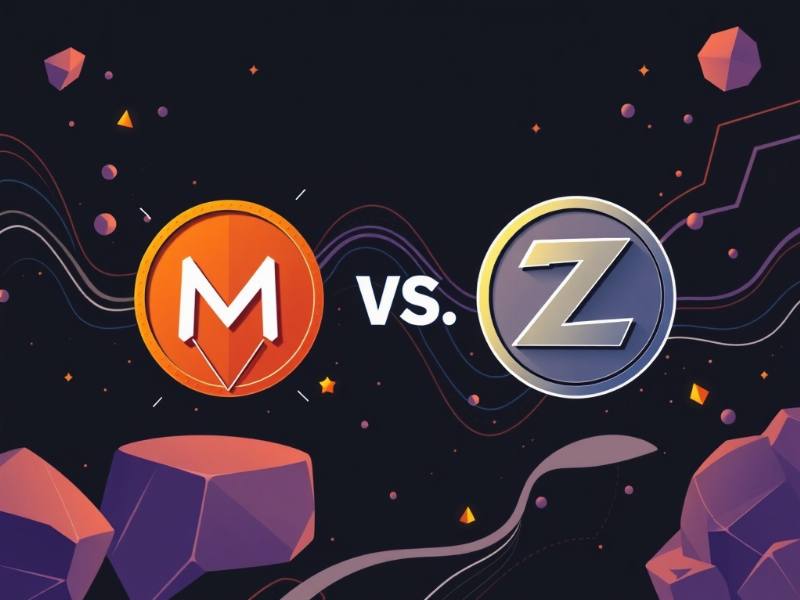
The debate surrounding Monero vs Zcash adoption has gained significant traction in the cryptocurrency space, particularly within niche platforms like Tumbler. Both Monero and Zcash are designed to offer enhanced privacy features, but their approaches to anonymity, scalability, and user accessibility differ markedly. As the demand for privacy-focused digital currencies grows, understanding the nuances of their adoption patterns becomes critical for users, developers, and platforms operating in the Tumbler ecosystem.
Understanding Monero and Zcash: Core Features and Privacy Mechanisms
Monero’s Privacy Architecture
Monero (XMR) is often regarded as the gold standard for privacy in cryptocurrency. Its core innovation lies in the use of ring signatures, which obscure the sender’s identity by mixing their transaction with others in a cryptographic ring. Additionally, Monero employs confidential transactions to hide the transaction amount. These features make it extremely difficult to trace the flow of funds, a key factor driving Monero vs Zcash adoption among users prioritizing absolute anonymity.
- Ring Signatures: Each transaction is signed by a group of users, making it impossible to determine the exact sender.
- Confidential Transactions: The amount transferred is encrypted, ensuring no one can see the value being moved.
- No Public Addresses: Monero uses unique, one-time addresses for each transaction, further complicating tracking.
Zcash’s Zero-Knowledge Proofs
Zcash (ZEC) takes a different approach to privacy through zero-knowledge proofs (ZKPs). This technology allows users to verify transactions without revealing any underlying details. For instance, a sender can prove they have sufficient funds without disclosing the transaction amount or the recipient’s address. While Zcash offers robust privacy, its adoption is often seen as a trade-off between transparency and anonymity, as users can choose to make transactions public or private.
- ZKPs enable selective transparency, allowing users to opt for privacy when needed.
- The zk-SNARKs algorithm is computationally intensive, which can impact transaction speed.
- Zcash’s privacy is optional, which may deter users seeking mandatory anonymity.
When evaluating Monero vs Zcash adoption, it’s essential to recognize that Monero’s privacy is non-negotiable, while Zcash’s is optional. This distinction influences how each coin is perceived in the Tumbler niche, where users may prioritize either absolute anonymity or flexibility in privacy settings.
Adoption Rates and Market Trends
Monero’s Growing User Base
Monero has consistently shown higher adoption rates in regions with strict financial regulations or where privacy is a critical concern. Its association with dark web transactions and underground markets has contributed to its reputation as a coin for those seeking maximum privacy. However, this reputation also attracts regulatory scrutiny, which can hinder mainstream adoption. Despite these challenges, Monero’s user base continues to grow, particularly among tech-savvy individuals and privacy advocates.
- Dark Web Usage: Monero is frequently used on platforms like Tumbler, where anonymity is paramount.
- Decentralized Exchanges: Monero’s privacy features make it a preferred choice for decentralized trading platforms.
- Regulatory Challenges: Governments in some countries have banned or restricted Monero due to its privacy features.
Zcash’s Niche Market Presence
Zcash, while less dominant than Monero, has carved out a niche in the privacy coin market. Its optional privacy model appeals to users who want to maintain some level of transparency while still benefiting from enhanced security. Zcash’s integration with certain financial services and its focus on scalability through the zk-SNARKs technology have made it a viable option for businesses and institutions. However, its adoption remains limited compared to Monero, partly due to the complexity of its privacy mechanisms.
- Corporate Adoption: Some companies use Zcash for private transactions due to its optional privacy features.
- Scalability Solutions: Zcash’s focus on improving transaction speed through ZKPs has attracted developers looking for efficient privacy solutions.
- Limited Exchange Support: Fewer exchanges support Zcash, which can hinder its adoption in the Tumbler niche.
The Monero vs Zcash adoption trend reflects broader market dynamics. Monero’s mandatory privacy model makes it a go-to for high-risk users, while Zcash’s flexibility suits those who need a balance between privacy and transparency. This divergence is particularly evident in platforms like Tumbler, where user preferences and regulatory environments play a significant role.
Use Cases and Practical Applications
Monero in Tumbler and Dark Web Transactions
Tumbler, a platform known for facilitating cryptocurrency transactions, has a strong association with Monero. The platform’s emphasis on anonymity aligns with Monero’s core features, making it a preferred choice for users engaging in dark web activities or seeking to avoid transaction tracking. Monero’s ability to obscure sender and receiver details makes it ideal for scenarios where privacy is non-negotiable.
- Dark Web Marketplaces: Monero is the dominant coin on platforms like Tumbler due to its robust privacy features.
- Peer-to-Peer Transactions: Users on Tumbler often prefer Monero for direct, untraceable transfers.
- Regulatory Avoidance: Monero’s anonymity helps users bypass financial regulations in certain jurisdictions.
Zcash in Privacy-Focused Financial Services
Zcash’s optional privacy model has found applications in financial services where users need to maintain some level of transparency. For example, businesses may use Zcash for internal transactions while keeping external dealings public. This flexibility makes Zcash a viable option for entities that require privacy without complete anonymity. However, its adoption in the Tumbler niche is limited, as the platform’s user base tends to favor absolute privacy over selective transparency.
- Corporate Transactions: Zcash is used by some businesses for private financial dealings while maintaining public records.
- Regulatory Compliance: Zcash’s optional privacy allows users to comply with regulations that require transparency.
- Limited Tumbler Integration: Zcash is not as widely supported on Tumbler compared to Monero.
The Monero vs Zcash adoption in practical terms highlights how each coin’s design influences its real-world applications. Monero’s mandatory privacy makes it indispensable for high-risk scenarios, while Zcash’s optional features cater to more controlled environments. This distinction is crucial for platforms like Tumbler, which must navigate the varying needs of their user base.
Challenges and Considerations for Adoption
Technical Barriers to Adoption
Both Monero and Zcash face technical challenges that can hinder their adoption. Monero’s complex cryptographic algorithms require significant computational resources, which can be a barrier for users with limited technical expertise. Similarly, Zcash’s reliance on ZKPs demands advanced knowledge to implement effectively. These technical hurdles can deter casual users, particularly in the Tumbler niche, where ease of use is often a priority.
- Monero’s Complexity: The technical requirements for using Monero may discourage non-technical users.
- Zcash’s Learning Curve: Understanding and utilizing ZKPs requires a deeper understanding of cryptography.
- Scalability Issues: Both coins face scalability challenges, which can affect transaction speeds and costs.
Regulatory and Legal Concerns
Regulatory scrutiny is a major obstacle for both Monero and Zcash. Governments and financial institutions often view privacy coins with suspicion due to their potential misuse in illegal activities. This has led to bans or restrictions in several countries, impacting their adoption rates. For instance, some exchanges have delisted Monero due to regulatory pressure, while Zcash faces similar challenges in jurisdictions with strict financial oversight.
- Government Bans: Countries like China and Russia have restricted or banned privacy coins, affecting their global adoption.
- Exchange Delistings: Platforms may remove Monero or Zcash from their listings to comply with local regulations.
- Compliance Requirements: Users may need to provide personal information to use certain services, undermining privacy.
The Monero vs Zcash adoption is heavily influenced by regulatory environments. While Monero’s mandatory privacy makes it a target for regulation, Zcash’s optional model offers a potential workaround. However, both coins must navigate a complex web of legal challenges to achieve widespread adoption, especially in the Tumbler niche where regulatory compliance is a critical factor.
The Role of Tumbler in Monero vs Zcash Adoption
Tumbler’s Preference for Monero
Tumbler has historically favored Monero over Zcash, primarily due to Monero’s superior privacy features. The platform’s design emphasizes anonymity, and Monero’s non-negotiable privacy aligns perfectly with this goal. As a result, Tumbler users are more likely to use Monero for transactions, reinforcing the Monero vs Zcash adoption trend in this specific niche. This preference is further bolstered by the platform’s technical infrastructure, which is optimized for handling Monero’s cryptographic demands.
- Optimized Infrastructure: Tumbler’s systems are tailored to support Monero’s privacy features efficiently.
- User Base Preferences: The majority of Tumbler users prioritize absolute anonymity, making Monero the default choice.
- Regulatory Risks: Tumbler may avoid Zcash to mitigate regulatory risks associated with privacy coins.
Zcash’s Limited Integration with Tumbler
Despite Zcash’s potential, its integration with Tumbler remains limited. The platform’s focus on Monero means that Zcash is not as widely supported, which can deter users who might otherwise prefer Zcash’s optional privacy. This limited integration is a key factor in the Monero vs
Robert Hayes, DeFi & Web3 Analyst
Monero vs Zcash Adoption: Navigating Privacy and Compliance in the Web3 Era
As a DeFi and Web3 analyst with a focus on decentralized finance protocols and infrastructure, I’ve observed that the adoption of privacy-centric cryptocurrencies like Monero and Zcash hinges on their ability to balance user anonymity with regulatory compliance. Monero’s default privacy model, which ensures transactions are untraceable by design, has made it a favorite among users prioritizing absolute financial confidentiality. However, this same feature has also drawn scrutiny from regulators and exchanges, limiting its mainstream adoption. In contrast, Zcash’s optional privacy features, enabled through zk-SNARKs, offer a more flexible approach. This allows users to choose between transparent and private transactions, which can align better with regulatory requirements. From a practical standpoint, this flexibility might make Zcash more appealing to institutions or platforms seeking to comply with anti-money laundering (AML) regulations while still offering privacy options to users.
The technical and philosophical differences between Monero and Zcash further influence their adoption trajectories. Monero’s ring signatures and stealth addresses provide robust privacy but come with higher computational demands, which can impact scalability. This has hindered its integration into broader DeFi ecosystems, where transaction speed and cost are critical. Zcash, on the other hand, leverages zero-knowledge proofs to enable selective privacy without compromising on scalability. This makes it more adaptable to DeFi applications that require both privacy and interoperability. For instance, Zcash’s compatibility with Ethereum-based protocols through bridges or wrapped tokens could give it an edge in Web3 infrastructure development. However, Monero’s strong community and established reputation in privacy-focused circles might still drive niche adoption, particularly in regions with strict financial surveillance. The key takeaway is that Monero vs Zcash adoption isn’t a one-size-fits-all scenario; it depends on the specific needs of users, developers, and regulators within the Web3 landscape.
—
Disclaimer: This article is not intended to provide financial advice or promote the use of Bitcoin and other cryptocurrencies. Its main purpose is to inform, explain, and educate. Readers must make their own decisions regarding the use of such services.