Flat Fee vs Percentage Fee Bitcoin Mixers: A Comprehensive Guide to Choosing the Right Mixing Service
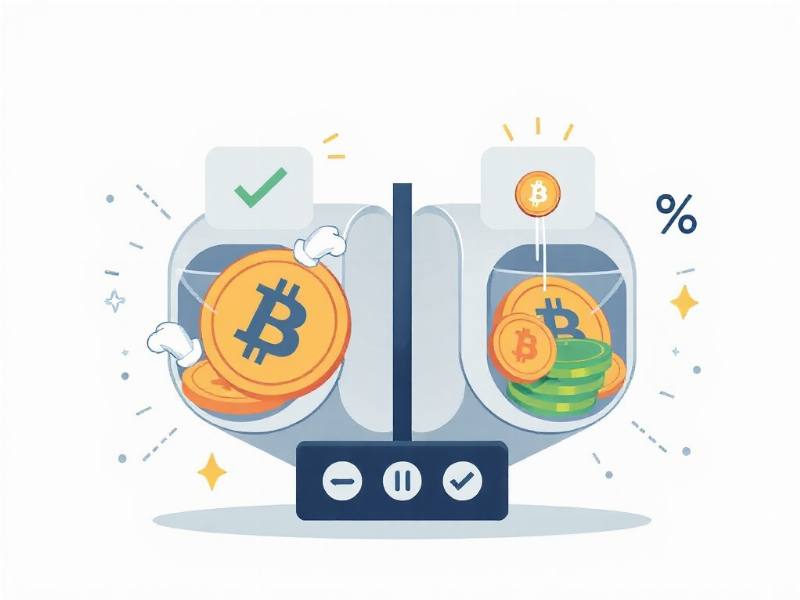
When it comes to enhancing privacy in cryptocurrency transactions, flat fee vs percentage fee bitcoin mixers are two of the most common fee structures users encounter. These models determine how much you pay for a mixing service, which can significantly impact your budget and overall experience. Understanding the differences between these two approaches is crucial for anyone looking to protect their financial data while using Bitcoin. This article will explore the nuances of flat fee and percentage fee models, helping you make an informed decision based on your specific needs.
Understanding Bitcoin Mixers and Their Fee Structures
Bitcoin mixers, also known as tumblers or blenders, are services that obscure the traceability of Bitcoin transactions by pooling funds from multiple users and redistributing them. This process makes it harder to link the original sender to the final recipient. The fee structure of a mixer—whether it uses a flat fee or a percentage fee—plays a critical role in determining the cost-effectiveness of the service. Let’s break down these two models to understand how they work and what they mean for users.
What is a Flat Fee Bitcoin Mixer?
A flat fee model charges a fixed amount for each mixing transaction, regardless of the amount of Bitcoin being processed. For example, a mixer might charge $5 for every transaction, whether you’re sending 0.1 BTC or 10 BTC. This structure is often appealing to users who value predictability. If you know exactly how much you’ll be mixing, a flat fee can make budgeting easier. However, it may not be the most cost-effective option for large transactions, as the fixed cost becomes a smaller percentage of the total amount being mixed.
What is a Percentage Fee Bitcoin Mixer?
In contrast, a percentage fee model charges a percentage of the total amount being mixed. For instance, a mixer might take 5% of the Bitcoin you send through their service. This means that if you mix 1 BTC, you’ll pay 0.05 BTC in fees, while mixing 10 BTC would cost 0.5 BTC. Percentage fees can be more cost-effective for larger transactions, as the fee scales with the amount. However, for smaller amounts, the percentage might feel disproportionately high, making it less attractive for users with limited funds.
Flat Fee vs Percentage Fee: A Detailed Comparison
Choosing between a flat fee and a percentage fee bitcoin mixer depends on several factors, including your transaction size, frequency, and budget. Let’s compare these two models in detail to help you understand which might be better suited for your needs.
Cost Predictability and Budgeting
One of the main advantages of a flat fee model is its predictability. Users know exactly how much they’ll pay upfront, which can be beneficial for those who want to avoid surprises. For example, if you’re mixing a fixed amount regularly, a flat fee ensures consistent costs. On the other hand, a percentage fee model can be less predictable, especially if your transaction amounts vary. If you frequently mix small amounts, the percentage fee might end up costing more than a flat fee in the long run.
Cost-Effectiveness for Different Transaction Sizes
The cost-effectiveness of each model varies depending on the size of your transaction. For large transactions, a percentage fee is often more economical. For instance, mixing 5 BTC with a 5% fee would cost 0.25 BTC, whereas a flat fee of $10 might be more expensive if the value of Bitcoin is high. Conversely, for small transactions, a flat fee might be more favorable. If you’re mixing 0.1 BTC, a 5% fee would cost 0.005 BTC, which could be less than the flat fee charged by some services. This makes percentage fees more suitable for high-volume users, while flat fees may appeal to those with smaller, frequent transactions.
Transparency and Trust in the Mixing Process
Transparency is another critical factor when comparing flat fee and percentage fee bitcoin mixers. Percentage fee models are often seen as more transparent because the fee is directly tied to the amount being mixed. Users can easily calculate the cost based on their transaction size. Flat fee models, while predictable, may lack this level of transparency, as the fee doesn’t scale with the transaction. However, some mixers that use flat fees may provide clear explanations of their pricing, which can help build trust. It’s essential to research the reputation of the mixer, regardless of the fee structure, to ensure your funds are handled securely.
Factors to Consider When Choosing Between Flat Fee and Percentage Fee
Selecting the right fee structure for your Bitcoin mixer involves evaluating several factors. These include your transaction habits, security concerns, and the specific features offered by the mixer. Let’s explore these considerations in more detail to help you make an informed choice.
Transaction Frequency and Volume
If you plan to mix Bitcoin frequently, a flat fee model might be more cost-effective in the long run. For example, if you mix 0.5 BTC every week, a flat fee of $5 would cost $20 per month, while a 5% fee would cost 0.025 BTC per transaction, which could add up to 0.1 BTC monthly. However, if your transactions are large and infrequent, a percentage fee might be more suitable. It’s important to calculate your average transaction size and frequency to determine which model offers the best value for your usage patterns.
Security and Privacy Concerns
While fee structures are important, security should always be a top priority when choosing a Bitcoin mixer. Some mixers with flat fee models may offer additional security features, such as multi-layer mixing or advanced encryption, which could justify a higher fee. On the other hand, percentage fee mixers might prioritize cost over security, depending on the service. It’s crucial to research the mixer’s reputation, read user reviews, and verify their security protocols before making a decision. A secure mixer is more important than saving a few cents on fees.
Additional Features and Services
Many Bitcoin mixers offer additional features beyond just mixing, such as anonymous wallets, multi-currency support, or enhanced privacy tools. These features can influence your choice of fee structure. For example, a mixer with a percentage fee might include free tools for generating new addresses or mixing multiple transactions at once. Conversely, a flat fee mixer might bundle these features into a single price, making it more attractive for users who want a comprehensive service. Consider what additional services you need and how they align with the fee model of the mixer.
Security Implications of Flat Fee vs Percentage Fee Mixers
Security is a critical aspect of any Bitcoin mixer, and the fee structure can sometimes reflect the level of security provided. While this isn’t always the case, there are some general trends to be aware of when comparing flat fee and percentage fee bitcoin mixers.
How Fee Structures Affect Security Practices
Some mixers with percentage fee models may invest more in security because they rely on a larger volume of transactions to generate revenue. This could mean they have more resources to implement advanced security measures, such as multi-layer mixing or regular audits. On the other hand, mixers with flat fee models might focus on simplicity and predictability, which could lead to fewer security features. However, this isn’t a universal rule, and many reputable mixers with flat fees still offer robust security. It’s essential to look beyond the fee structure and evaluate the mixer’s overall security practices.
Transparency and Trust in Security Claims
Percentage fee mixers often provide more transparency in their security claims because the fee is directly tied to the transaction amount. This can make it easier for users to verify that the mixer is handling their funds responsibly. Flat fee mixers, while predictable, may not always disclose the exact security measures they use. Users should ask questions about the mixer’s security protocols, such as whether they use cold storage, multi-signature wallets, or third-party audits. A mixer that is transparent about its security practices is more likely to be trustworthy, regardless of its fee structure.
Risk of Fraud and Scams
Both flat fee and percentage fee mixers can be vulnerable to fraud if not properly vetted. However, percentage fee models might be more susceptible to scams because users could be misled by the perceived cost savings. For example, a mixer might advertise a low percentage fee but hide additional charges or poor security practices. Flat fee mixers, while less likely to have hidden fees, could still be operated by untrustworthy entities. To mitigate this risk, always use well-known and reputable mixers, and avoid services that promise unrealistic fees or guarantees of anonymity.
Real-World Examples and Use Cases for Flat Fee vs Percentage Fee Mixers
To better understand how flat fee and percentage fee bitcoin mixers are used in practice, let’s look at some real-world examples and scenarios where each model might be more appropriate.
When to Choose a Flat Fee Mixer
A flat fee mixer is often ideal for users who mix small amounts of Bitcoin regularly. For instance, if you’re using Bitcoin for everyday purchases and want to maintain privacy, a flat fee of $5 per transaction might be more convenient than a percentage fee that could vary with each transaction. Additionally, flat fee mixers are sometimes preferred by users who want to avoid the complexity of calculating percentages. Services like BitcoinTumbler or MixerHQ offer flat fee options that cater to users who prioritize simplicity and predictability.
When to Choose a Percentage Fee Mixer
Percentage fee mixers are typically more suitable for users with larger transactions or those who mix Bitcoin infrequently. For example, if you’re sending 10 BTC through a mixer with a 5% fee, you’ll pay 0.5 BTC in fees, which might be more cost-effective than a flat fee of $20. Percentage fee mixers are also popular among users who want to maximize the amount of Bitcoin they can mix without paying a fixed cost. Services like Wasabi Wallet or MixerPro offer percentage fee models that appeal to users with higher transaction volumes.
Hybrid Models and Custom Solutions
Some mixers offer hybrid fee structures that combine elements of both flat and percentage fees. For example, a mixer might charge a flat fee for the first few transactions and then switch to a percentage fee for larger amounts. This approach can provide flexibility, allowing users to choose the most cost-effective option based on their needs. Custom solutions are also available for businesses or high-volume users who require tailored fee structures. These models demonstrate that the choice between flat fee and percentage fee isn’t always binary and can be adapted to specific use cases.
Conclusion: Making the Right Choice for Your Needs
In the world of Bitcoin mixers, the decision between a flat fee and a percentage fee model depends on your individual circumstances. Both options have their advantages and disadvantages, and the best choice will vary from user to user. By considering factors such as transaction size, frequency, security, and additional features, you can select a mixer that aligns with your goals. Whether you prioritize cost predictability with a flat fee or scalability with a percentage fee, the key is to research thoroughly and choose a reputable service. As the cryptocurrency landscape continues to evolve,
David Chen, Digital Assets Strategist
Flat Fee vs Percentage Fee Bitcoin Mixers: A Strategic Analysis for Privacy and Cost Efficiency
As a quantitative analyst with expertise in both traditional finance and cryptocurrency markets, I’ve observed that the choice between flat fee and percentage fee structures in Bitcoin mixers is not merely a pricing decision but a strategic one with implications for user behavior, privacy, and operational efficiency. Flat fee mixers charge a fixed cost regardless of transaction size, which can be advantageous for users prioritizing predictability. This model aligns well with individuals or entities managing smaller, frequent transactions, as it eliminates the uncertainty of variable costs. However, from a portfolio optimization perspective, percentage fee mixers—where the fee scales with the transaction amount—may offer better cost efficiency for larger transfers. This is because the proportional cost can be more palatable when dealing with high-value assets, where the absolute fee might otherwise become a significant drag on returns. The key practical insight here is that users must evaluate their transaction patterns and risk tolerance. For instance, a user with a diversified portfolio might prefer percentage fees to minimize per-transaction costs on larger movements, while a retail user might favor flat fees for simplicity and budgeting.
From a market microstructure standpoint, the fee structure of Bitcoin mixers also influences their competitive positioning and regulatory scrutiny. Flat fee mixers often attract users who value transparency, as the cost is clear upfront and not tied to the transaction’s magnitude. This can foster trust in environments where regulatory compliance is a concern, as predictable fees reduce the risk of hidden charges. Conversely, percentage fee mixers may appeal to high-volume users or institutional players who prioritize cost scalability. However, this model can create challenges in terms of price discovery and fairness, as larger transactions could inadvertently subsidize smaller ones. My analysis suggests that mixers adopting percentage fees must carefully balance their pricing strategy with user expectations, as excessive fees on large transactions could drive users to competitors. Additionally, from a privacy perspective, flat fee mixers might be perceived as more secure, as they don’t expose users to potential fee manipulation based on transaction size, which could be a vulnerability in certain market conditions.
Ultimately, the decision between flat fee and percentage fee Bitcoin mixers hinges on a nuanced understanding of user needs and market dynamics. For individual users, the trade-off between predictability and cost efficiency is critical, especially in a volatile market where transaction sizes can fluctuate. For mixers themselves, the fee model reflects broader strategic choices about target demographics and operational sustainability. As the cryptocurrency ecosystem evolves, I anticipate that hybrid models—combining elements of both fee structures—may emerge to cater to diverse user segments. However, regardless of the approach, transparency and alignment with user priorities will remain paramount. In a landscape where privacy and cost are paramount, the flat fee vs percentage fee debate is less about which is inherently better and more about which better serves the specific context of the user or mixer in question."
—
Disclaimer: This article is not intended to provide financial advice or promote the use of Bitcoin and other cryptocurrencies. Its main purpose is to inform, explain, and educate. Readers must make their own decisions regarding the use of such services.