Custodial Wallet vs Self-Custody Privacy: A Critical Analysis for Tumbler Users
In the rapidly evolving landscape of cryptocurrency, the debate between custodial wallet vs self-custody privacy has become a focal point for users seeking to balance security, control, and anonymity. For those operating within the Tumbler niche, where privacy is paramount, understanding the distinctions between these two wallet models is essential. This article delves into the technical, practical, and philosophical implications of custodial and self-custody wallets, with a particular emphasis on how they intersect with privacy concerns in the context of Tumbler services.
Understanding Custodial Wallets and Self-Custody Privacy
What Are Custodial Wallets?
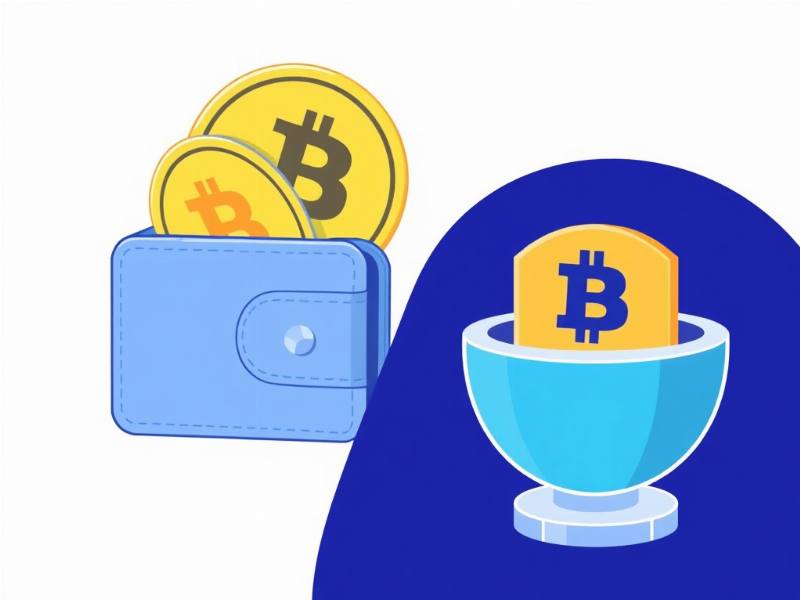
A custodial wallet is a service provided by a third party, such as an exchange or a wallet provider, that manages the user’s private keys. These wallets are designed for convenience, allowing users to store, send, and receive cryptocurrencies without needing to handle complex cryptographic processes. However, this convenience comes at a cost: users relinquish control over their funds and data. In the context of Tumbler, custodial wallets may pose risks to privacy, as the custodian could potentially access or monitor transaction details.
- Pros of custodial wallets: Ease of use, customer support, and integration with mainstream platforms.
- Cons of custodial wallets: Centralized control, potential for data breaches, and reduced anonymity.
What Is Self-Custody Privacy?
Self-custody privacy refers to the practice of managing one’s own private keys and transaction data without relying on third-party services. This model empowers users to maintain full control over their funds and personal information. For Tumbler users, self-custody is often paired with tools like Tumbler, which enhance privacy by obfuscating transaction trails. Unlike custodial wallets, self-custody requires technical knowledge but offers unparalleled privacy and security.
- Self-custody wallets require users to store and protect their private keys securely.
- Privacy is achieved through decentralized control, reducing the risk of data exposure.
- Tools like Tumbler can further anonymize transactions when used with self-custody wallets.
Security Implications of Custodial vs Self-Custody Wallets
Risks of Custodial Wallets
The security of a custodial wallet is inherently tied to the reliability of the third-party provider. If the custodian is compromised—whether through hacking, insider threats, or regulatory pressure—user funds and data are at risk. For Tumbler users, this is particularly concerning because custodial services may log transaction details, which could be exposed in the event of a breach. Additionally, custodial wallets often require users to share personal information, further compromising privacy.
For example, a custodial wallet provider might store user data in centralized databases, making it a prime target for cyberattacks. In contrast, self-custody wallets eliminate this risk by keeping all data on the user’s device.
Advantages of Self-Custody for Security
Self-custody privacy offers a robust security model because users are the sole custodians of their private keys. This eliminates the single point of failure associated with custodial services. However, the security of self-custody depends entirely on the user’s ability to protect their keys. A single mistake, such as losing a recovery phrase or falling victim to phishing, can result in irreversible loss of funds.
- Self-custody wallets are immune to third-party breaches.
- Users can implement advanced security measures, such as hardware wallets or multi-signature setups.
- For Tumbler users, self-custody ensures that transaction data remains private unless voluntarily shared.
Privacy Considerations in Custodial and Self-Custody Solutions
Data Collection in Custodial Wallets
Custodial wallets often collect extensive user data, including transaction histories, personal details, and even IP addresses. This data can be used for targeted advertising, regulatory compliance, or even sold to third parties. In the Tumbler niche, where anonymity is a key concern, this level of data collection is a significant drawback. Users may find themselves at odds with the very purpose of using Tumbler, which is to obscure transaction trails.
Key privacy risks:
- Custodial providers may share user data with regulators or law enforcement.
- Transaction details could be linked to real-world identities through custodial records.
- Data breaches could expose sensitive information, undermining privacy efforts.
Anonymity in Self-Custody Wallets
Self-custody wallets, when combined with tools like Tumbler, offer a higher degree of anonymity. Since users control their private keys, there is no central authority to track their transactions. Tumbler further enhances this by mixing Bitcoin transactions, making it difficult to trace the origin or destination of funds. This makes self-custody an attractive option for Tumbler users who prioritize privacy over convenience.
However, achieving true anonymity requires careful execution. Users must ensure that their self-custody practices do not inadvertently expose their identity, such as through the use of linked accounts or unsecured devices.The Role of Tumbler in Enhancing Self-Custody Privacy
How Tumbler Works with Self-Custody Wallets
Tumbler is a privacy-focused service that allows users to anonymize their Bitcoin transactions. When used in conjunction with self-custody wallets, Tumbler becomes a powerful tool for maintaining privacy. By breaking the link between sender and receiver, Tumbler ensures that even if a transaction is recorded on the blockchain, it cannot be traced back to the original user. This is particularly valuable for Tumbler users who want to avoid surveillance or financial tracking.
To maximize privacy, users must ensure that their self-custody wallets are not linked to any custodial services. For instance, using a custodial wallet to fund a Tumbler transaction could compromise anonymity, as the custodian might retain records of the initial deposit.
Limitations of Tumbler in Custodial Environments
While Tumbler can enhance privacy, its effectiveness is limited when used with custodial wallets. Custodial providers often require users to verify their identities, which can be tied to transaction data. If a custodial wallet is used to send funds through Tumbler, the custodian might still have access to metadata about the transaction, such as the user’s account details or IP address. This undermines the core purpose of Tumbler, which is to provide complete anonymity.
Key takeaway: For optimal privacy, Tumbler should only be used with self-custody wallets. Custodial wallets introduce vulnerabilities that can negate the benefits of Tumbler.
Choosing Between Custodial and Self-Custody: A Privacy-Focused Perspective
Factors to Consider for Tumbler Users
For users in the Tumbler niche, the decision between custodial and self-custody wallets hinges on their privacy needs. If anonymity is the primary goal, self-custody is the clear choice. However, if convenience and ease of use are more important, a custodial wallet might be acceptable—provided the user is willing to accept the associated privacy trade-offs.
Key considerations include:
- Privacy requirements: Self-custody offers superior privacy but requires technical expertise.
- Risk tolerance: Custodial wallets expose users to third-party risks, while self-custody demands personal responsibility.
- Regulatory environment: In regions with strict financial regulations, custodial wallets may be necessary for compliance, but this can compromise privacy.
Balancing Convenience and Privacy
The custodial wallet vs self-custody privacy debate is not just about security but also about trade-offs. Custodial wallets offer convenience, making them ideal for users who prioritize simplicity over control. However, for Tumbler users, the privacy implications of custodial services often outweigh these benefits. Self-custody, while more complex, provides the necessary control to maintain anonymity in a world where data is increasingly monitored.
For example, a user might opt for a custodial wallet for everyday transactions but switch to a self-custody wallet when using Tumbler. This hybrid approach allows for flexibility while minimizing privacy risks.
Conclusion: Navigating the Custodial Wallet vs Self-Custody Privacy Landscape
In the context of Tumbler, the choice between custodial and self-custody wallets is a critical one. While custodial wallets offer convenience, they come with significant privacy and security risks. Self-custody wallets, on the other hand, provide greater control and anonymity but require users to take on more responsibility. When paired with tools like Tumbler, self-custody becomes a powerful solution for maintaining privacy in an increasingly transparent digital world.
Ultimately, the decision should be based on individual needs and risk tolerance. For those who value privacy above all else, self-custody is the recommended path. However, it is essential to understand the implications of each model and to use tools like Tumbler responsibly. As the cryptocurrency landscape continues to evolve, staying informed about the custodial wallet vs self-custody privacy debate will be key to protecting one’s digital assets and personal information.
Robert Hayes, DeFi & Web3 Analyst
Custodial Wallet vs Self-Custody Privacy: Navigating the Trade-Offs in Decentralized Finance
From my perspective as a DeFi and Web3 analyst, the debate between custodial wallets and self-custody privacy hinges on a fundamental tension between convenience and control. Custodial wallets, managed by third-party services, offer users a streamlined experience where assets are held by a trusted entity. This can be appealing for newcomers or those prioritizing ease of use, as it eliminates the technical burden of managing private keys. However, this convenience comes at a cost to privacy. Custodial providers often require KYC (Know Your Customer) procedures, which can expose sensitive user data. Additionally, centralized control introduces risks of data breaches or regulatory scrutiny, undermining the very privacy principles that decentralized systems aim to uphold. In contrast, self-custody wallets place full responsibility on the user, ensuring that private keys and transaction data remain entirely within their control. This aligns with the core ethos of Web3, where financial sovereignty is paramount. While self-custody enhances privacy by minimizing third-party involvement, it demands a higher level of technical literacy and vigilance. Users must safeguard their keys, navigate potential security pitfalls, and understand the implications of irreversible transactions. For privacy-conscious individuals, self-custody is often non-negotiable, even if it means sacrificing some convenience.
Practically, the choice between custodial and self-custody wallets depends on a user’s risk tolerance and specific use cases. For instance, in scenarios where regulatory compliance is a priority—such as tax reporting or institutional DeFi participation—custodial solutions might offer structured frameworks that simplify compliance. However, these benefits are often offset by the privacy trade-offs inherent in centralized systems. On the other hand, self-custody tools like hardware wallets or non-custodial DeFi platforms empower users to maintain anonymity and control over their financial data. This is particularly critical in regions with restrictive financial regulations or where surveillance is a concern. That said, self-custody is not without its challenges. Losing a private key can result in permanent loss of assets, and the learning curve can deter less tech-savvy users. From a DeFi perspective, protocols that integrate self-custody features—such as decentralized identity solutions or zero-knowledge proofs—are increasingly vital. These innovations aim to balance privacy with usability, addressing the limitations of both models. Ultimately, the custodial wallet vs self-custody privacy dilemma reflects broader themes in Web3: the struggle to reconcile user accessibility with the foundational principles of decentralization and data autonomy.
—
Disclaimer: This article is not intended to provide financial advice or promote the use of Bitcoin and other cryptocurrencies. Its main purpose is to inform, explain, and educate. Readers must make their own decisions regarding the use of such services.