Custodial Mixing Convenience vs Security: Balancing Ease and Protection in BTC Mixing Services
Understanding Custodial Mixing: The Basics
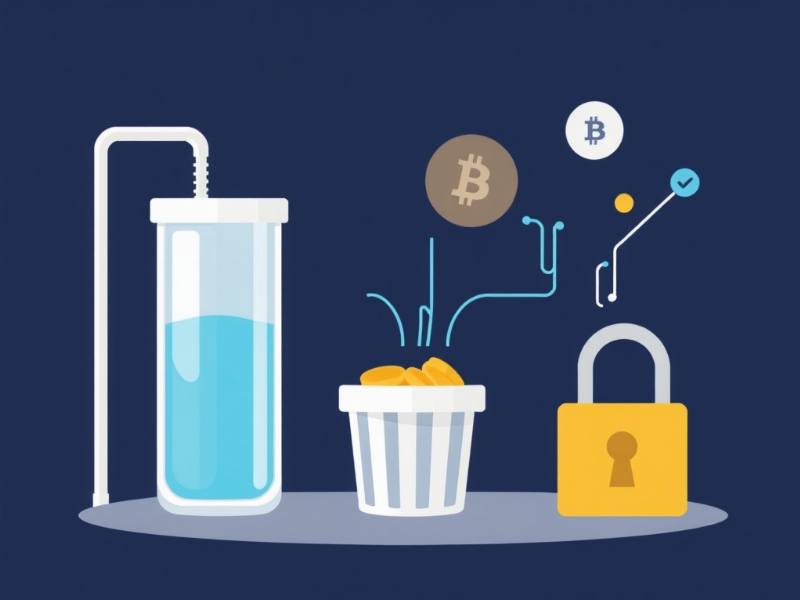
The concept of custodial mixing convenience vs security is central to modern cryptocurrency transactions, particularly in the context of Bitcoin (BTC) mixing services. Custodial mixing refers to a process where a third-party service holds and manages users’ funds during the mixing process. This approach is often contrasted with non-custodial methods, where users retain full control of their private keys. The trade-off between convenience and security is a critical consideration for users seeking to enhance their privacy while navigating the complexities of blockchain technology.
What is Custodial Mixing?
Custodial mixing involves a service provider that acts as an intermediary, holding users’ BTC until the mixing process is complete. This method simplifies the user experience by eliminating the need for technical expertise in handling private keys or complex cryptographic operations. For instance, a user deposits BTC into a custodial mixer, which then processes the transaction through a network of nodes to obscure the transaction trail. The final mixed BTC is then returned to the user, often with a new address to further anonymize the funds.
The Appeal of Convenience
- User-friendly interfaces: Custodial mixers often provide intuitive platforms that require minimal technical knowledge.
- Time efficiency: Users can complete the mixing process in minutes without needing to manage multiple steps manually.
- Reduced risk of user error: By handling the technical aspects, custodial services minimize the chances of mistakes that could compromise security.
Convenience in Custodial Mixing: Why It Matters
For many users, the custodial mixing convenience vs security dilemma revolves around the desire for ease of use. In a landscape where cryptocurrency transactions can be daunting, custodial mixers offer a streamlined alternative. This convenience is particularly attractive to newcomers or those who prioritize speed over technical complexity. However, this ease of use comes with inherent trade-offs that must be carefully evaluated.
Streamlined Processes for Users
Custodial mixers eliminate the need for users to understand the intricacies of blockchain transactions. Instead of manually splitting funds or using multiple wallets, users can simply deposit their BTC into the service and let the mixer handle the rest. This streamlined approach is a key factor in the popularity of custodial mixing, especially for individuals who may not have the time or expertise to engage in non-custodial methods.
Time-Saving Features
- Automated mixing algorithms that process transactions without manual intervention.
- Instant or near-instant fund returns, depending on the service’s efficiency.
- Integration with popular wallets, allowing users to deposit and withdraw funds seamlessly.
The Trade-Off Between Speed and Control
While custodial mixing offers undeniable convenience, it often sacrifices a degree of control. Users must trust the service provider to handle their funds responsibly. This reliance on a third party introduces potential vulnerabilities, as the security of the mixer’s infrastructure directly impacts the safety of the user’s assets. The custodial mixing convenience vs security balance here is delicate, requiring users to weigh the benefits of speed against the risks of centralized control.
Security Considerations in Custodial Mixing
Security is a paramount concern in any financial transaction, and custodial mixing is no exception. The custodial mixing convenience vs security debate often hinges on how well a service can protect user funds from threats such as hacking, theft, or regulatory scrutiny. While custodial mixers simplify the process, they also centralize risk, making them attractive targets for malicious actors.
Potential Risks and Vulnerabilities
Custodial mixers are inherently centralized, which means that a single point of failure can compromise the entire system. If the mixer’s servers are hacked or the service is shut down due to regulatory pressure, users could lose access to their funds. Additionally, custodial services may be subject to data breaches, where sensitive user information is exposed. These risks highlight the importance of selecting a mixer with robust security measures, such as encryption, multi-factor authentication, and regular security audits.
How Custodial Mixing Affects Security
- Centralized control: The mixer holds users’ funds, making it a prime target for attacks.
- Regulatory exposure: Custodial services may be required to comply with anti-money laundering (AML) laws, which could lead to user data being shared with authorities.
- Trust in the provider: Users must rely on the mixer’s integrity, as there is no way to verify the exact process of mixing without transparency.
Mitigating Security Risks
To address these concerns, reputable custodial mixers implement advanced security protocols. For example, some services use cold storage to keep funds offline, reducing the risk of online attacks. Others employ multi-signature wallets, requiring multiple approvals for transactions. Additionally, transparency in the mixing process—such as providing verifiable logs or third-party audits—can enhance user confidence. However, even with these measures, the inherent centralization of custodial mixing means that no system is entirely risk-free.
Balancing Convenience and Security: Best Practices
Navigating the custodial mixing convenience vs security dilemma requires a strategic approach. Users must evaluate their priorities and choose services that align with their risk tolerance. This section outlines key best practices to help users make informed decisions while maximizing both convenience and security.
Choosing the Right Service
Not all custodial mixers are created equal. When selecting a service, users should prioritize providers with a proven track record of security and reliability. Look for features such as:
- End-to-end encryption for data and transactions.
- Regular security audits by independent third parties.
- Transparent fee structures and clear privacy policies.
User Responsibilities
Even with a custodial mixer, users retain some responsibility for their security. For instance, ensuring that personal information is not shared unnecessarily and using strong, unique passwords for mixer accounts can reduce risks. Users should also stay informed about the latest security threats and updates from their chosen service. While custodial mixing simplifies the process, proactive measures on the user’s part can further enhance protection.
Hybrid Approaches
Some users opt for hybrid strategies that combine custodial and non-custodial methods. For example, they might use a custodial mixer for smaller transactions where convenience is key and rely on non-custodial tools for larger or more sensitive transfers. This approach allows users to leverage the benefits of both methods while minimizing exposure to the risks associated with full custodial reliance.
Conclusion: The Trade-Off Between Convenience and Security
The custodial mixing convenience vs security debate underscores the complexities of modern cryptocurrency management. While custodial mixers offer undeniable convenience, they also introduce centralized risks that users must carefully consider. The key lies in finding a balance that aligns with individual needs and risk tolerance. By understanding the trade-offs and adopting best practices, users can make informed choices that protect their assets without sacrificing ease of use. As the cryptocurrency landscape evolves, the interplay between convenience and security will remain a critical factor in shaping the future of BTC mixing services.
Emily Parker, Crypto Investment Advisor
Custodial Mixing Convenience vs Security: Balancing Accessibility and Risk in Crypto Asset Management
As a crypto investment advisor with over a decade of experience, I’ve seen how custodial mixing services have become a double-edged sword for investors. On one hand, they offer unparalleled convenience by simplifying the process of enhancing privacy through transaction obfuscation. For retail investors or those new to blockchain, custodial mixing can feel like a plug-and-play solution—no need to manage complex wallets or understand advanced cryptographic techniques. This ease of use is undeniably attractive, especially in a market where time and technical barriers often deter participation. However, from a security standpoint, custodial mixing inherently centralizes risk. By relying on a third party to handle funds, users expose themselves to potential vulnerabilities such as exchange hacks, insider threats, or regulatory missteps. The trade-off here is stark: convenience often comes at the cost of reduced control over one’s assets.
Practically speaking, custodial mixing services are most beneficial for users prioritizing speed and simplicity over absolute security. For instance, an investor using a custodial platform to mix funds before a large transaction might appreciate the streamlined process, avoiding the need to coordinate multiple wallets or employ privacy coins manually. Yet, this convenience can be deceptive. Custodial services are not immune to breaches—historical examples abound where exchanges mishandled funds or became targets for cyberattacks. The centralization of custody creates a single point of failure, which is antithetical to the decentralized ethos of blockchain. Investors must weigh whether the trade-off is worth it. For high-net-worth individuals or institutions, the risks may outweigh the benefits, pushing them toward non-custodial alternatives like decentralized mixers or self-custody solutions. Even for retail users, diversifying storage methods—such as splitting assets between custodial and non-custodial wallets—can mitigate some risks while retaining partial convenience.
Ultimately, the custodial mixing convenience vs security dilemma hinges on an investor’s risk appetite and technical literacy. While custodial services democratize privacy tools, they also perpetuate systemic risks that contradict the core principles of cryptocurrency. As the industry evolves, I advocate for a nuanced approach: embrace custodial mixing where it adds genuine value, but never treat it as a panacea for security concerns. Education is key—users must understand that no system is foolproof, and custodial solutions, by their nature, introduce dependencies that non-custodial alternatives avoid. In a landscape where threats are constantly evolving, the goal should be to balance convenience with proactive risk management, ensuring that the pursuit of ease does not compromise long-term asset protection."
—
Disclaimer: This article is not intended to provide financial advice or promote the use of Bitcoin and other cryptocurrencies. Its main purpose is to inform, explain, and educate. Readers must make their own decisions regarding the use of such services.